Understanding Bridge Strikes: Prevention Strategies for HGV Operators

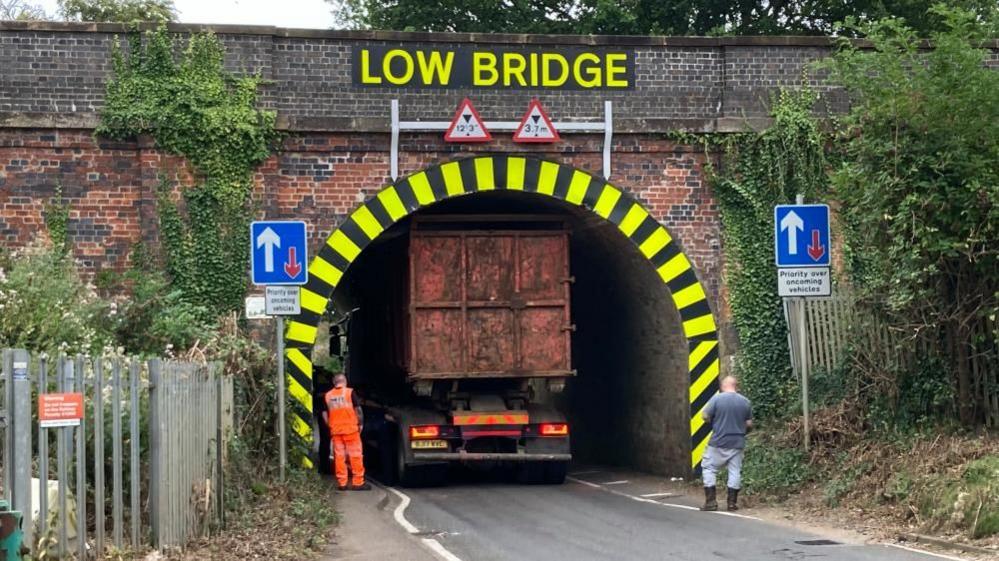
Bridge strikes occur when heavy goods vehicles (HGVs) collide with low bridges, causing severe damage to both the vehicle and the infrastructure. These incidents pose significant safety risks for drivers and other road users, leading to costly repairs, insurance claims, and traffic disruptions. Bridge strikes have become a growing concern in the UK, highlighting the need for effective strategies to mitigate these risks.

Key Causes of Bridge Strikes

Height Misjudgement
Many bridge strikes result from drivers misjudging the height of their vehicle or failing to notice the bridge’s height restrictions.

Inaccurate Route Planning
Not accounting for low bridges during route planning can direct vehicles towards dangerous areas.

Lack of Training
Drivers without sufficient training regarding vehicle dimensions and height awareness are more prone to errors that can cause bridge strikes.

How to Prevent Bridge Strikes: Essential Strategies

Height Awareness and Driver Training

Driver Education: Ensure all drivers are trained on the dimensions of their vehicles and understand the importance of height awareness. This includes being familiar with the vehicle’s height and any loads that may increase it.

Refresher Courses: Regular training sessions are key to maintaining height awareness among drivers and reinforcing safe driving practices.

Effective Route Planning

Use of GPS Technology: Incorporate GPS systems and routing software designed for HGVs. These tools can alert drivers to low bridges and height restrictions, offering alternative routes to avoid accidents.

Route Familiarization: Encourage drivers to become familiar with their planned routes and any known low bridge hazards before starting their journey.

Clear Communication and Signage

Improved Signage: Ensure all low bridges are marked with clear and visible signage, placed well in advance to give drivers time to adjust their routes safely.

Driver Communication: Establish an internal system for drivers to report low bridges or near misses, allowing other drivers to be alerted to potential dangers.

Monitoring and Reporting Systems

Incident Reporting: Set up a system for drivers to report bridge strikes or near-miss incidents. This data can help identify high-risk areas and improve route planning and signage efforts.

Regular Vehicle Checks: Conduct frequent inspections to ensure vehicles remain within their height limits, especially if additional loads or modifications have been made.

Collaboration with Local Authorities

Work with Authorities: Collaborate with local councils and transport authorities to identify problematic low bridges and develop solutions, such as improved signage or infrastructure changes.

Join Safety Campaigns: Participate in national and local safety campaigns aimed at reducing bridge strikes. These often provide helpful resources and support for fleet operators.

The Financial Impact of Bridge Strikes

The costs associated with bridge strikes can be staggering. According to the Road Safety Foundation, a single bridge strike can result in over £100,000 in expenses when considering infrastructure repairstraffic disruptions, and lost revenue. Moreover, repeated incidents can lead to significantly higher insurance premiums for HGV operators.

Conclusion: Preventing Bridge Strikes with Proactive Measures

Bridge strikes are a significant risk for HGV operators, but they are largely preventable through height awarenessdriver training, and effective route planning. By investing in GPS technology, improving communication systems, and collaborating with authorities, fleet operators can greatly reduce the likelihood of these costly and dangerous incidents. As the road transport industry evolves, focusing on safety and compliance not only protects vehicles and infrastructure but also boosts operational efficiency and reduces overall costs. For more information on preventing bridge strikes, visit the Road Safety Foundation website. Or for advice, support, training options and post incident tool kits please contact us.
Ready to chat to us? Get Clear, Concise Support for Your Operation

If you require professional support with Transport Compliance, HR, Health & Safety or Road Risk Management, our consultants can provide practical, proportionate solutions aligned with FORS and Mission Zero requirements.

We work with operators of all sizes, providing bespoke consultancy based on your fleet, operating model and risk profile.

Request a quote today to discuss your requirements and understand how we can support your operation. 

    ALL SERVICES